
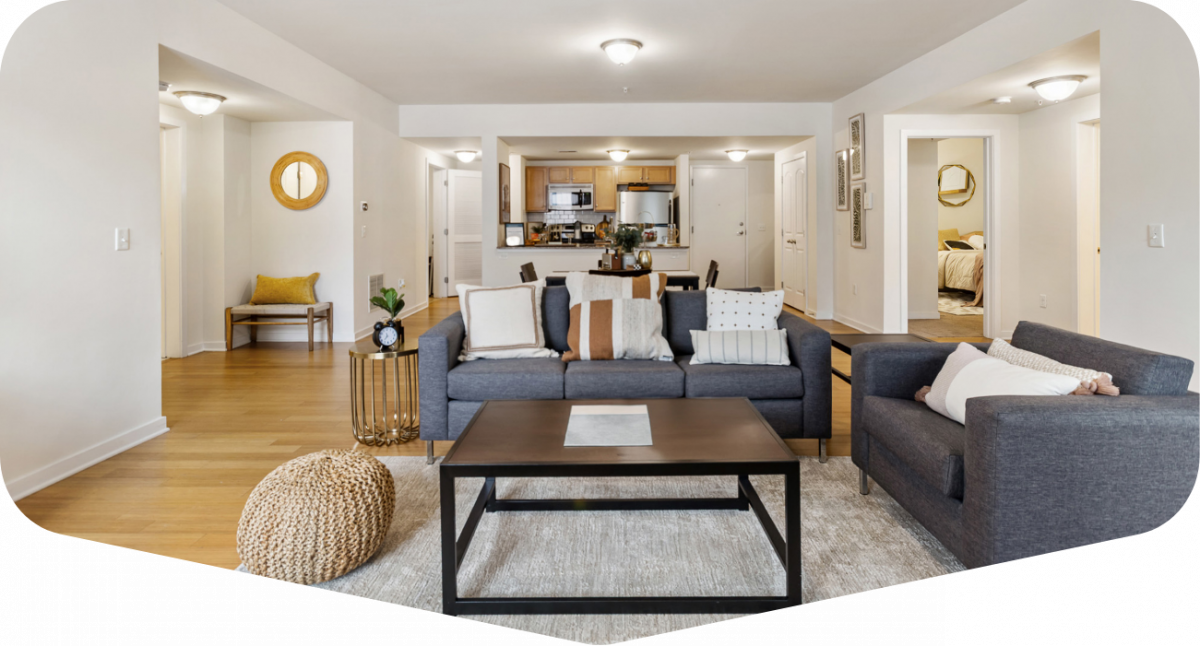
Choosing UD housing off campus tends to start casually. Someone mentions it in passing. A parent asks a question you weren’t quite ready to answer. Or maybe you just had one of those walks back from campus where everything felt farther than it should.
At first, it feels simple. You want a place that’s close enough, comfortable enough, and not outrageously priced. But once you actually start looking, the trade-offs show up fast. Location competes with price. Amenities feel important one day and optional the next. And suddenly, you’re weighing details you never thought you’d care about.
That’s normal. Most students don’t decide all at once. They circle these factors a few times before anything clicks.
Location: It’s Not Just About Distance
Location is usually the first filter. Not always consciously, but it’s there.
Being close to campus matters, obviously. Fewer minutes commuting means more flexibility during the day, especially when schedules shift or days run long. But “close” can mean different things depending on how you live. Some students want to be able to walk. Others are fine with a short drive if it means a quieter environment or easier parking.
There’s also the question of what surrounds the apartment. Grocery access. Coffee. A place to step outside and reset after class. Those things don’t always make it into a checklist, but they influence how a place feels once you’re living there.
Properties like Rittenhouse Station tend to appeal to students who want proximity to the University of Delaware without feeling boxed into campus life. It’s not exactly on campus, but it’s close enough that the connection still feels easy. That middle ground matters more than people expect.
Sometimes location isn’t about being as close as possible. It’s about balance.
Amenities: More Than Just a Nice-to-Have
Amenities are tricky. It’s easy to dismiss them at first. You tell yourself you’ll barely be home. That you don’t need much. And maybe that’s true… at least for a while.
But once classes settle in, amenities start to shape daily routines. Having on-site features that support studying, downtime, or just basic convenience can quietly improve your experience. It’s not about luxury. It’s about friction. Fewer small annoyances add up over time.
That said, not every amenity matters to every student. Some people care deeply about dedicated study spaces. Others prioritize fitness access or community areas. And sometimes, what you think you want shifts once you’re actually living there.
If you browse the amenities offered at Rittenhouse Station, you’ll notice they’re practical. Designed around how students actually live, not just what looks good in photos. That tends to resonate once the novelty of off-campus living wears off and routines take over.
Amenities don’t usually make the decision alone. But they often become the reason people stay happy with it.
Price: The Constraint That Shapes Everything Else
Price is where things get real.
No matter how appealing a location or how useful the amenities, the monthly cost frames every decision. For most students, UD housing off campus means trying to get more value without overextending financially. That can look different depending on priorities and circumstances.
Some students are willing to pay a bit more for location and convenience. Others prefer to save where they can, even if it means adjusting expectations. Neither approach is wrong. What matters is understanding what you’re paying for and whether it lines up with how you actually live.
It’s also worth remembering that price isn’t just rent. Time, stress, and daily convenience factor in too, even if they’re harder to quantify. A lower monthly cost can feel less appealing if it complicates everything else.
Looking at options like the available floor plans at Rittenhouse Station can help put pricing into context. It’s easier to evaluate value when you can see how space, layout, and features intersect, rather than focusing on numbers alone.
How These Factors Actually Work Together
In reality, students rarely rank location, amenities, and price in a clean order. It’s messier than that.
You might start focused on price, then realize location matters more than you thought. Or you fall for a place’s feel and justify the cost afterward. Sometimes the decision happens gradually, and sometimes it happens because one option just feels easier to imagine yourself living in.
That’s often the deciding factor. Can you picture a normal Tuesday there? Not move-in day. Not a tour. Just an average day.
Properties designed specifically for students near UD tend to understand that mental process. They don’t try to be everything. They aim to fit into student routines naturally. That’s why UD housing off campus choices that balance all three factors tend to stand out over time.
Key Takeaways
- Location influences daily life more than students often expect, beyond simple distance
- Amenities quietly shape routines and long-term comfort, even if they don’t seem essential at first
- Price sets the framework, but value comes from how all factors work together
- The best UD housing off campus options balance convenience, comfort, and cost realistically